Our Point of View
There is a version of the immigrant story that has been told a hundred times. The struggle, the triumph, the gratitude. We are not telling that story.
Asad Farooqui makes films from the place most people learn to stop talking about. The mundane surrealism of navigating a world not built with you in mind. The moment before the polite answer. The laugh that escapes when something is too true to process any other way.
Desi Graffiti exists in that gap — not to explain it, but to inhabit it, and to make films that let audiences feel it from the inside.
To laugh at something is not to dismiss it. Sometimes it is the only honest response left.
The systems that shape immigrant lives are not tragic in the way cinema usually renders tragedy. They are strange. They are tedious. They are occasionally surreal in ways that would seem exaggerated if they weren't true.
Holding that absurdity up to the light — without softening it, without resolving it into either despair or triumph — is itself a political act. It refuses the comfort of simple feeling.
We are not here to make the immigrant legible for someone else's comfort.
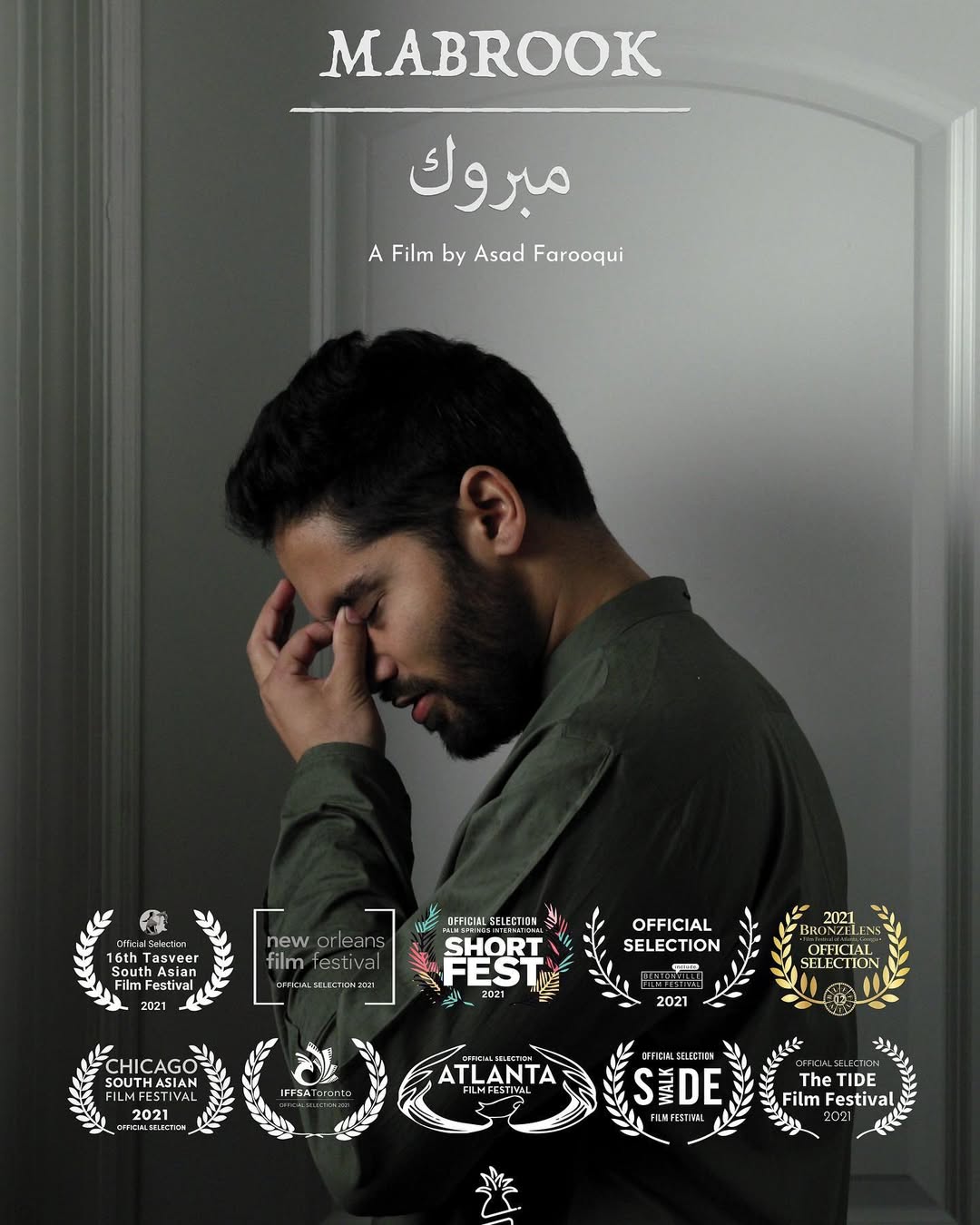
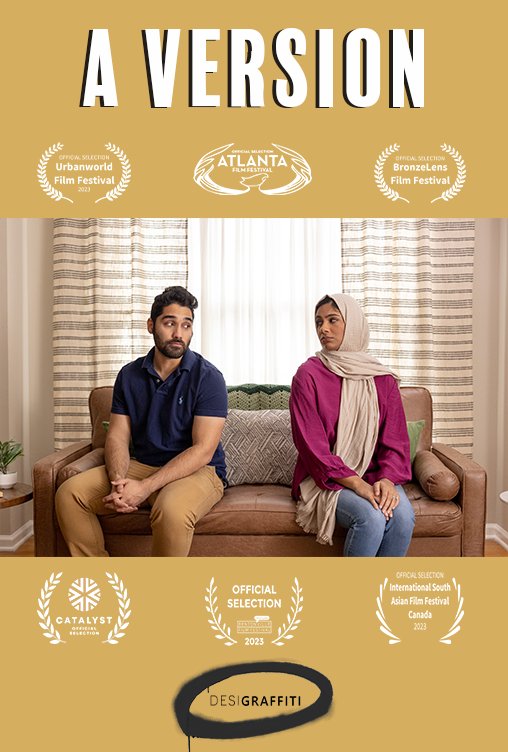
Asad's short films — Mabrook and A Version — have screened at over 15 festivals worldwide, from Palm Springs to Atlanta to Toronto. They prove the audience is ready for specificity, for discomfort, for stories that trust them to sit with something unresolved.
The features in development take that same sensibility further. More room. More risk. The same refusal to blink.
Every film begins and ends with the script. We believe in taking the time to get it right — drafting, discarding, returning.
The most universal stories are the most specific. We write from a particular place. That specificity is not a limitation — it is the whole point.
We do not explain our characters. We do not resolve our contradictions. Audiences can hold complexity — because they live in it every day.